Source Steel Pipe Lifting Electromagnet for Mining, Energy, and Transport
Compare 30 steel pipe lifting electromagnet options from verified Chinese manufacturers. These units feature aluminum construction, 220V voltage, and lifting capacities ranging from 0.8 to 6 tons for energy and mining applications; compare the available evidence and request quotations based on your requirements.
Key considerations
Products List


Comprehensive Sourcing Guide
Steel Pipe Lifting Electromagnet Sourcing Guide
Product Scope and Observed Listing Signals
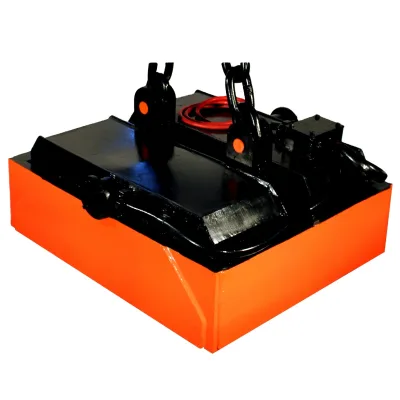
Buyers evaluating steel pipe lifting electromagnets will encounter a diverse range of industrial solutions designed for material handling in energy and mining sectors. The observed market includes units with varying load capacities, ranging from one ton to six tons, allowing procurement teams to match equipment to specific operational demands. These devices are primarily engineered to lift steel pipes and bars, ensuring efficient transport and positioning within heavy industrial environments. The product listings indicate that manufacturers offer customization options, enabling buyers to tailor specifications to unique coil or pipe dimensions.
The physical characteristics of these electromagnets vary significantly across suppliers, with weights ranging from six hundred kilograms to over two thousand five hundred kilograms. This variance suggests that capacity and size are not strictly correlated, requiring careful evaluation of the lifting mechanism's efficiency. Most units are presented as new condition equipment, often featuring aluminum or copper wire conductors to optimize magnetic performance. Buyers should note that while some listings specify a single item selling unit, others imply bulk availability, necessitating clear communication regarding order quantities and packaging requirements during the initial inquiry phase.
Technical Specifications to Verify
Verifying the electrical and operational parameters is critical for ensuring compatibility with existing facility infrastructure. The observed listings frequently cite a rated voltage of DC220V, which aligns with standard industrial power supplies in many regions. However, buyers must confirm the exact power consumption, as some units are listed with a five-kilowatt rating, while others may differ. It is essential to validate the duty cycle, which typically ranges from sixty to seventy-five percent, to ensure the magnet can sustain the required workload without overheating. Understanding the working period, often cited as ten minutes, helps in planning lift sequences and preventing thermal stress on the equipment during continuous operation.
Thermal management and environmental resilience are equally important technical considerations. The materials handled by these electromagnets can vary in temperature, with specific models rated for normal temperatures below one hundred fifty degrees Celsius, high temperatures between one hundred fifty and six hundred degrees Celsius, and super-high temperatures above six hundred degrees Celsius. Buyers must select a unit that matches the thermal profile of their steel pipes to prevent damage to the magnet's internal components. Additionally, the protection class, which may include IP51, IP55, or IP68 ratings, determines the equipment's suitability for indoor or outdoor use, protecting against dust and water ingress in harsh industrial settings.
Compliance and Safety Documentation
Safety and regulatory compliance form the foundation of any responsible procurement strategy for heavy lifting equipment. Buyers should prioritize suppliers who provide comprehensive machinery test reports, as these documents offer independent verification of the electromagnet's performance and structural integrity. The presence of CE certification in some listings indicates adherence to European health, safety, and environmental protection standards, which can be a valuable benchmark even for non-European buyers. However, buyers must verify the current validity of such certifications and ensure they cover the specific model and manufacturing batch being purchased, as standards can evolve over time.
Beyond formal certifications, operational safety relies on clear documentation of the equipment's limitations and maintenance requirements. The warranty period, often listed as two years, provides a crucial safety net for buyers, covering potential defects in materials or workmanship. It is advisable to review the warranty terms carefully to understand what components are covered and under what conditions the service is provided. Furthermore, buyers should ensure that the supplier offers detailed user manuals and safety guidelines, which are essential for training operators and preventing accidents during the lifting and transport of heavy steel pipes.
Cost Drivers and Commercial Terms
The total cost of ownership for a steel pipe lifting electromagnet is influenced by several key factors beyond the initial purchase price. The load capacity is a primary driver, with units ranging from one ton to six tons commanding different price points. Buyers should also consider the weight of the unit itself, as heavier magnets may require more robust handling equipment and infrastructure support. The material composition, such as the use of aluminum versus copper wire, can also impact the cost, with copper typically offering superior conductivity but at a higher price. Understanding these variables helps in creating a realistic budget and comparing quotes from different suppliers on an equal basis.
Commercial terms and logistics play a significant role in the final acquisition cost. The observed minimum order quantities range from one to four units, which can affect pricing tiers and shipping efficiency. Packaging is another critical aspect, with options including export packing, wooden cases, and standard packages, each with different implications for protection and handling costs. Buyers should clarify whether shipping, insurance, and customs duties are included in the quoted price, as these can add substantial expenses. Additionally, the availability of after-sales service, such as engineers available to service machinery overseas, can reduce long-term maintenance costs and downtime, making it a valuable component of the commercial offer.
Supplier Qualification and Quality Control
Selecting a reliable supplier is paramount to ensuring the longevity and performance of the steel pipe lifting electromagnet. Buyers should verify the supplier's place of origin, with many manufacturers located in regions like Hunan and Shandong in China, which are known for industrial equipment production. The brand name, such as YYDLS, can serve as an indicator of market presence and reputation, but buyers should conduct independent due diligence to assess the supplier's track record. It is advisable to request references from previous clients and review case studies to understand the supplier's ability to deliver consistent quality and support.
Quality control processes should be transparent and rigorous. Buyers should inquire about the manufacturing standards employed by the supplier, including whether they follow customized or standardized production lines. The availability of machinery test reports is a strong indicator of a supplier's commitment to quality, as it demonstrates that each unit undergoes thorough testing before shipment. Additionally, buyers should consider the supplier's ability to provide customization, as this can be crucial for meeting specific operational needs. Establishing a clear communication channel for technical queries and post-sale support is also essential for building a productive and long-term business relationship.
Long-Term Procurement Checks
Long-term success with steel pipe lifting electromagnets depends on proactive maintenance and performance monitoring. Buyers should establish a routine inspection schedule to check for signs of wear, particularly in the electrical connections and the magnetic surface. The duty cycle and working period specifications should be regularly reviewed against actual usage patterns to ensure the equipment is not being overtaxed. Keeping detailed records of maintenance activities and any repairs can help identify recurring issues and inform future procurement decisions. This data-driven approach allows for better planning of spare parts inventory and service contracts.
Continuous engagement with the supplier is vital for addressing evolving operational needs and technological advancements. Buyers should maintain open lines of communication to discuss any modifications or upgrades that may be necessary as their lifting requirements change. The availability of customization services can be leveraged to adapt existing equipment to new types of steel pipes or coils. Additionally, staying informed about industry standards and safety regulations ensures that the equipment remains compliant and safe to operate. By fostering a collaborative relationship with the supplier, buyers can maximize the value and lifespan of their steel pipe lifting electromagnets.
FAQs
What is the warranty period for this electromagnet?
The warranty period is 2 years for this electromagnet. This coverage applies to the new condition units manufactured in Hunan, China, ensuring reliability for energy and mining applications involving steel pipe lifting.
Which voltage rating does the equipment support?
The equipment supports a rated voltage of DC220V. This electrical specification ensures compatibility with standard industrial power supplies required for lifting steel pipes and bars in various mining and energy sector environments.
Can the product be customized for specific needs?
Yes, customization is available for this electromagnet. Buyers can request specific models like MW12 or NW36, and the lifting capacity can be adjusted to match coil specifications while maintaining the aluminum or copper wire construction.
What is the maximum operating temperature for the material?
The material can operate at super high temperatures above 600 degrees Celsius. Standard operation covers normal temperatures below 150 degrees Celsius, while high-temperature applications range between 150 and 600 degrees Celsius for safe lifting.
How much does the electromagnet weigh?
The weight ranges from 1450 to 2500 kilograms depending on the specific model. Some units are listed at 600 kilograms, and the machinery test report is provided to verify these weight specifications for safe handling.
What is the duty cycle for continuous operation?
The duty cycle is 60% or 75% for continuous operation. This allows the electromagnet to work for 10 minutes within a cycle, suitable for indoor or outdoor environments with protection classes ranging from IP51 to IP68.